KS2 Visit to Norwich and Burgh Castles
What did the Romans ever do for us: KS2's Trip Report to Norwich and Burgh Castles
Yesterday, KS2 pupils enjoyed a fascinating and memorable visit to Norwich Castle and Burgh Castle as part of our history topic on the Romans.
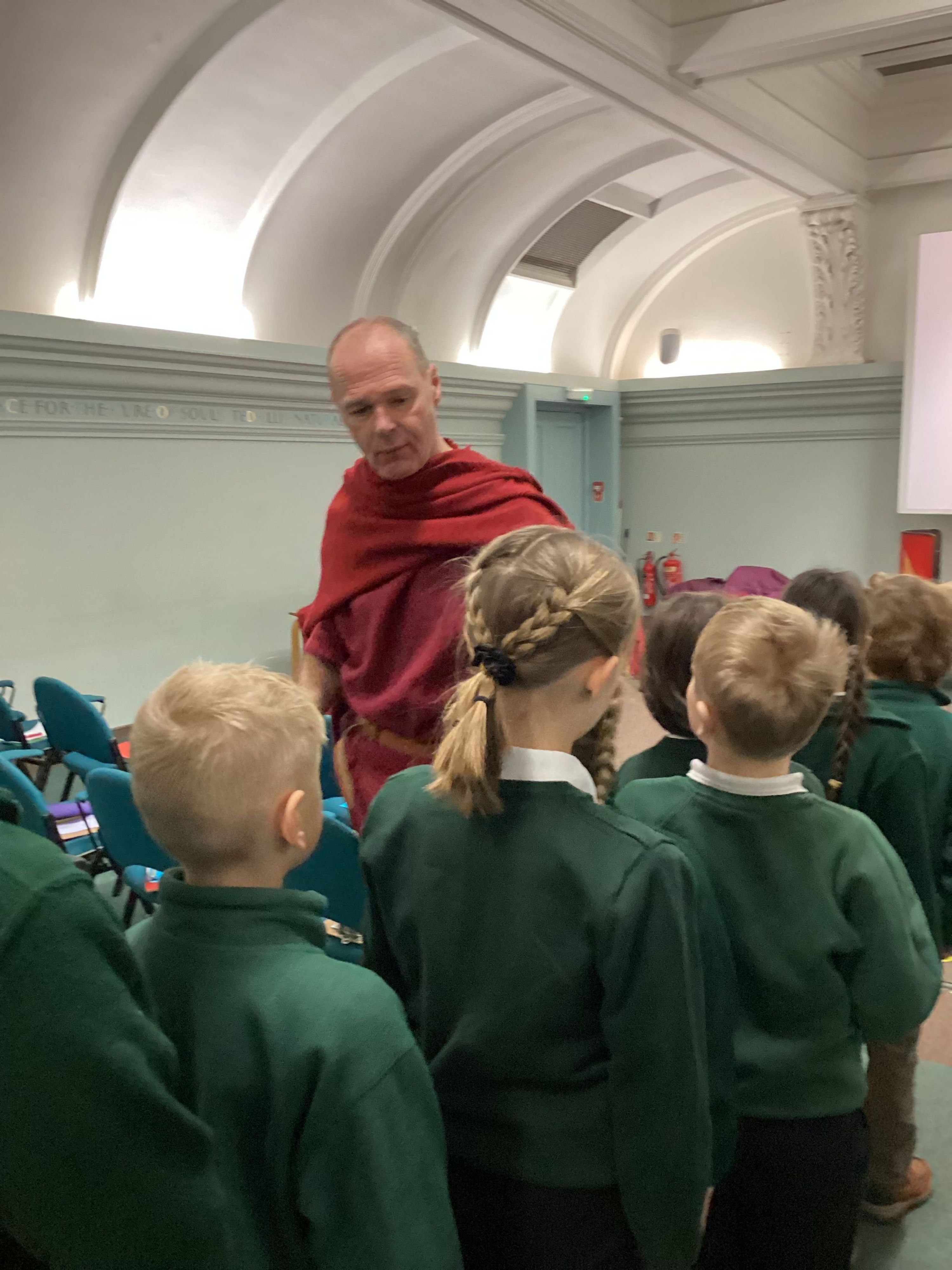
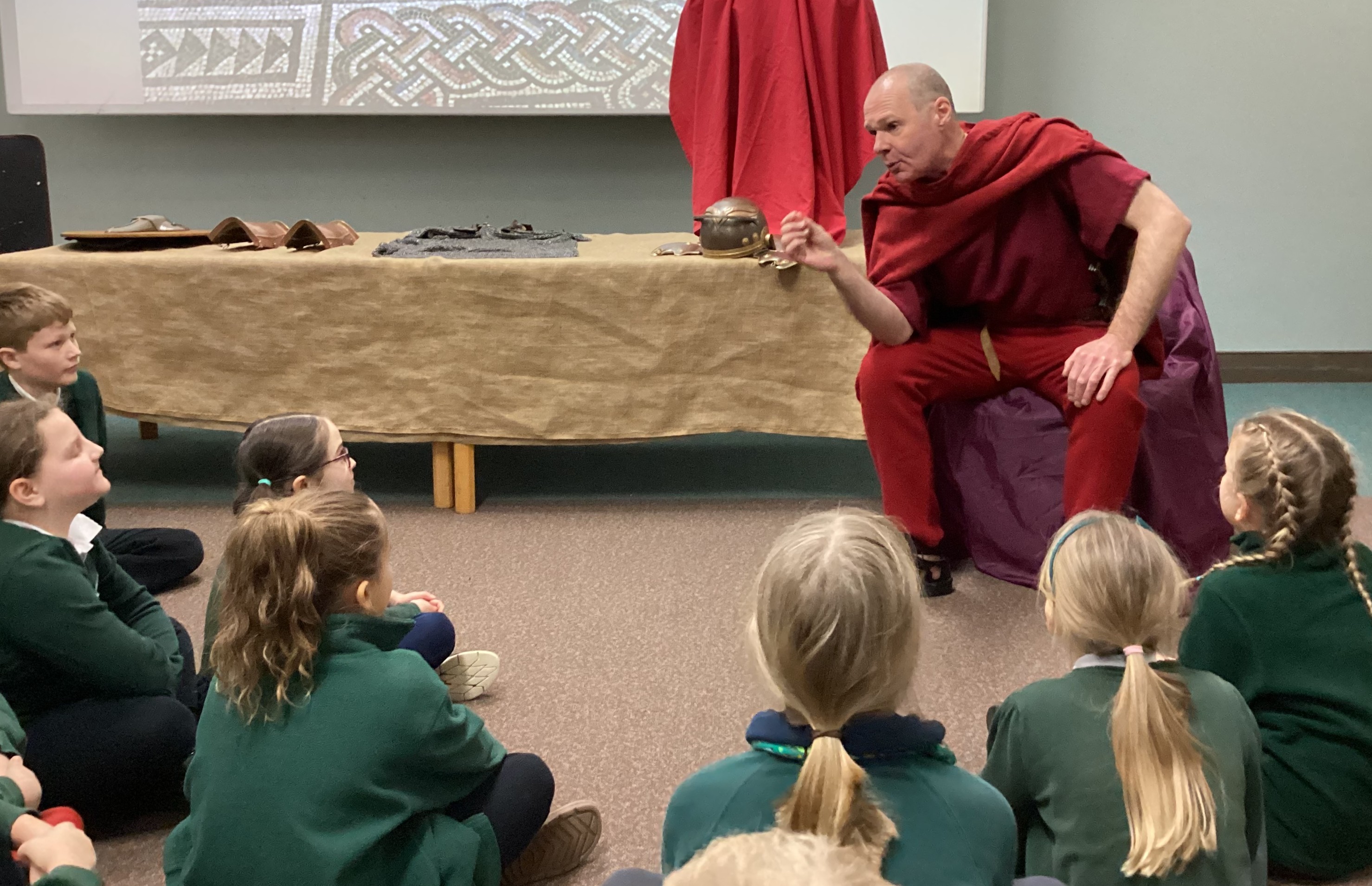
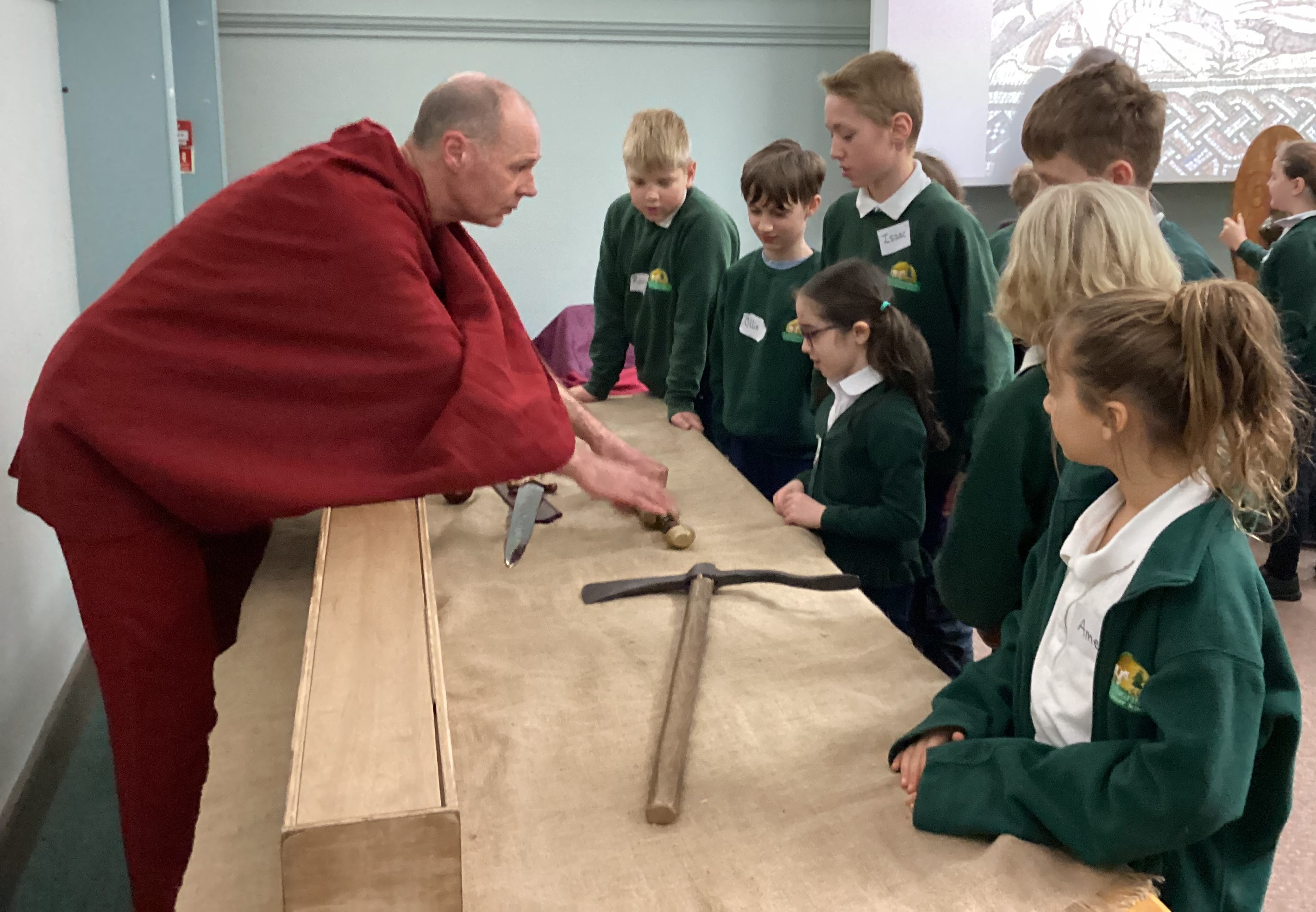
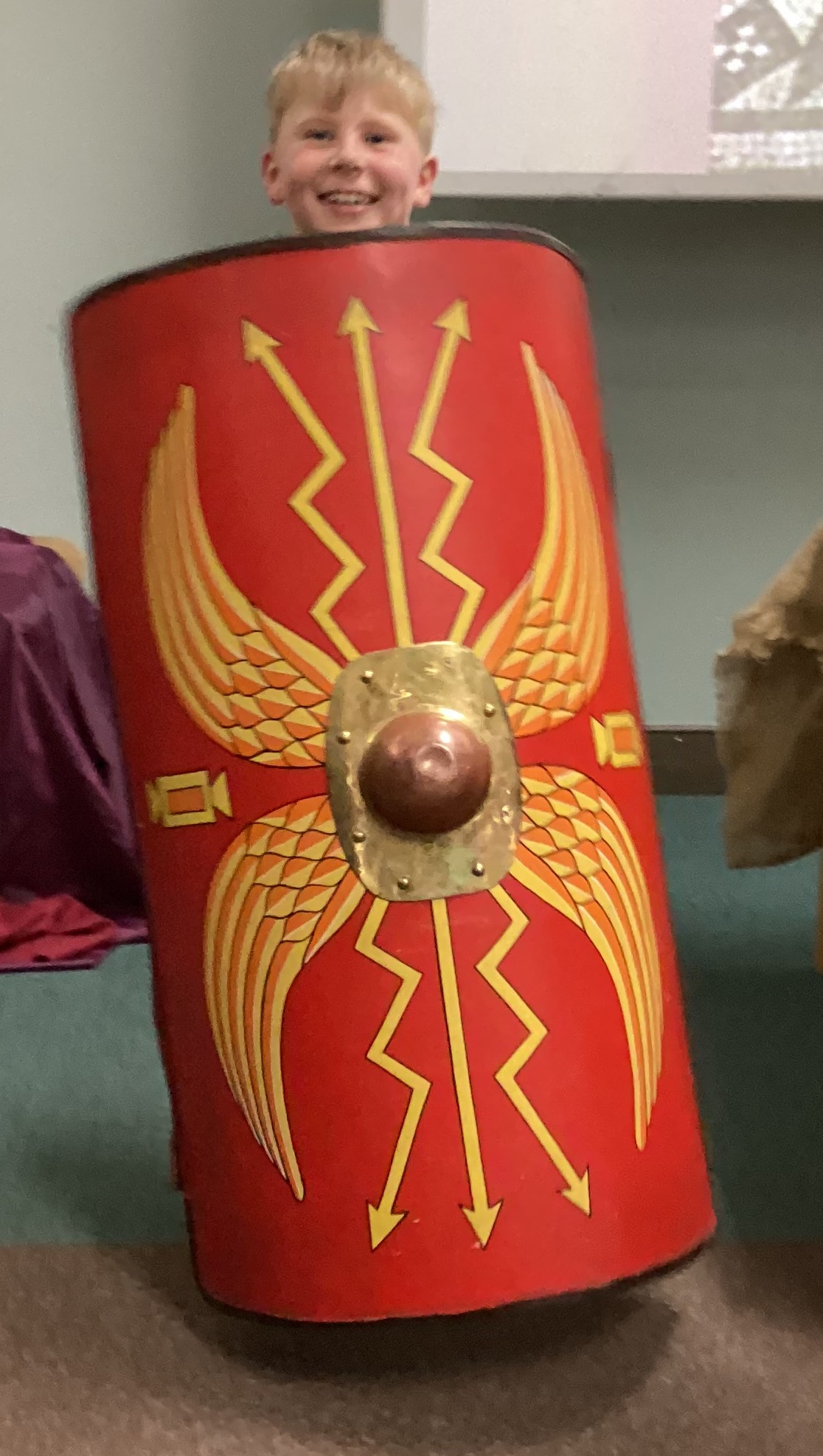
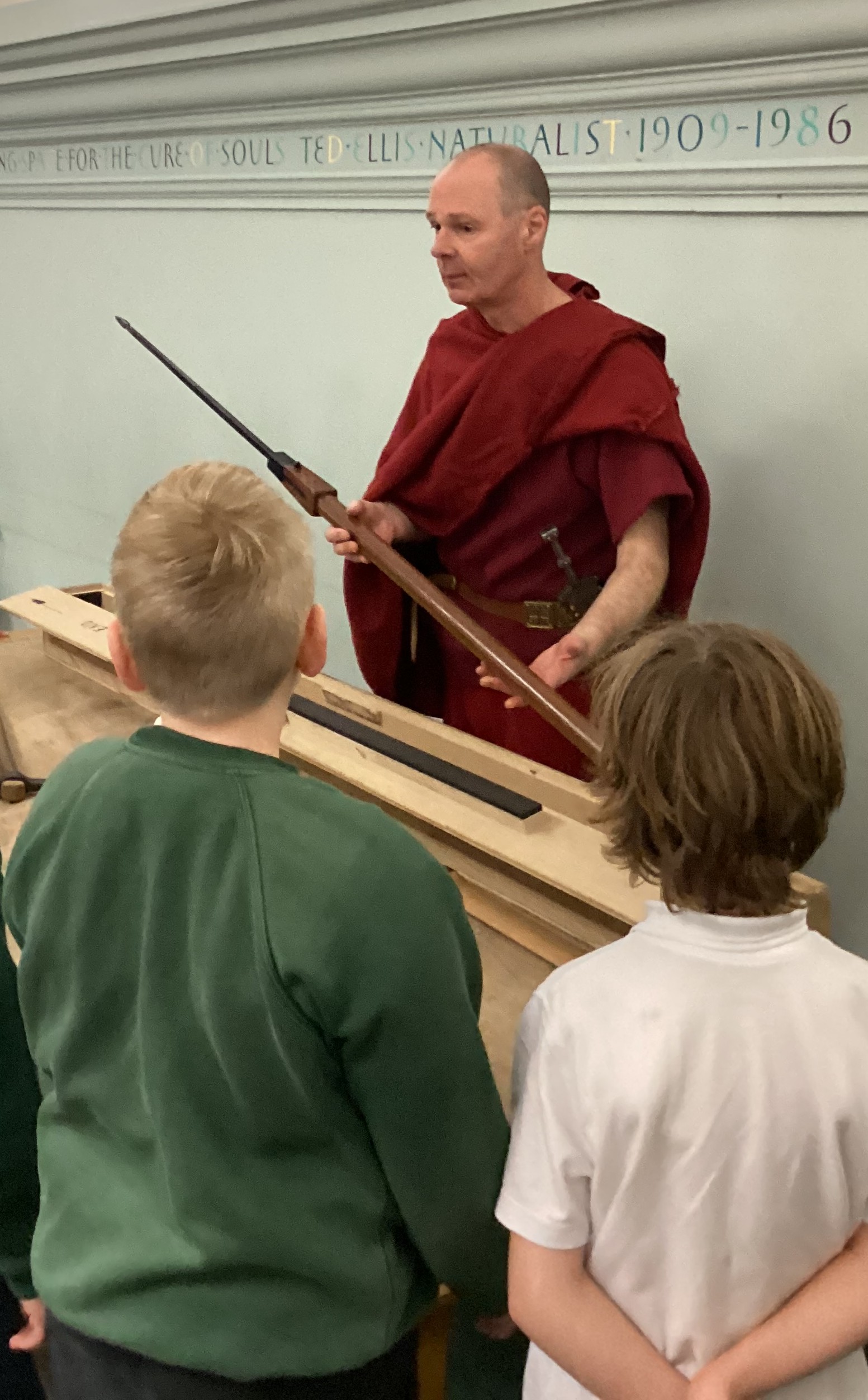
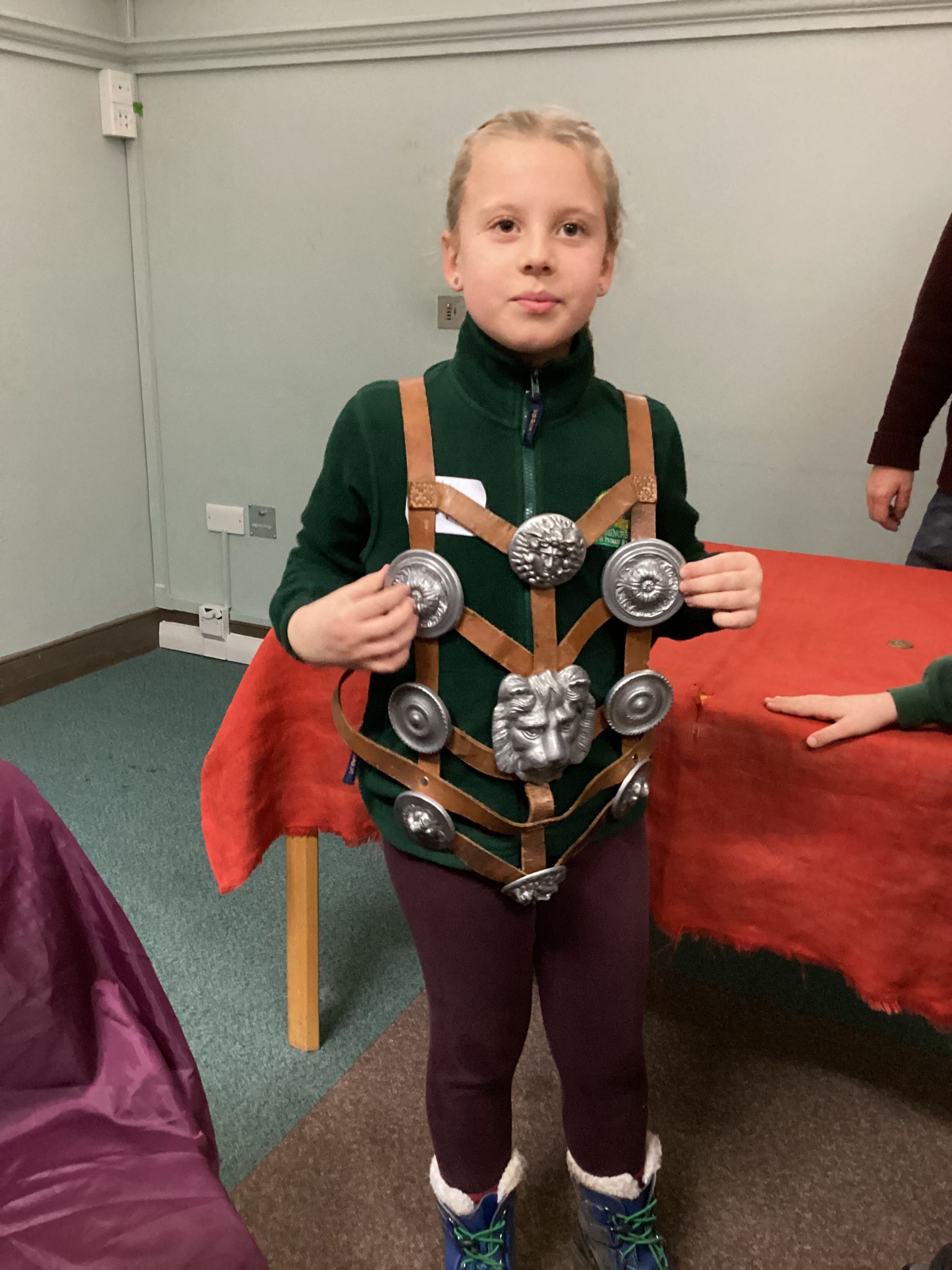
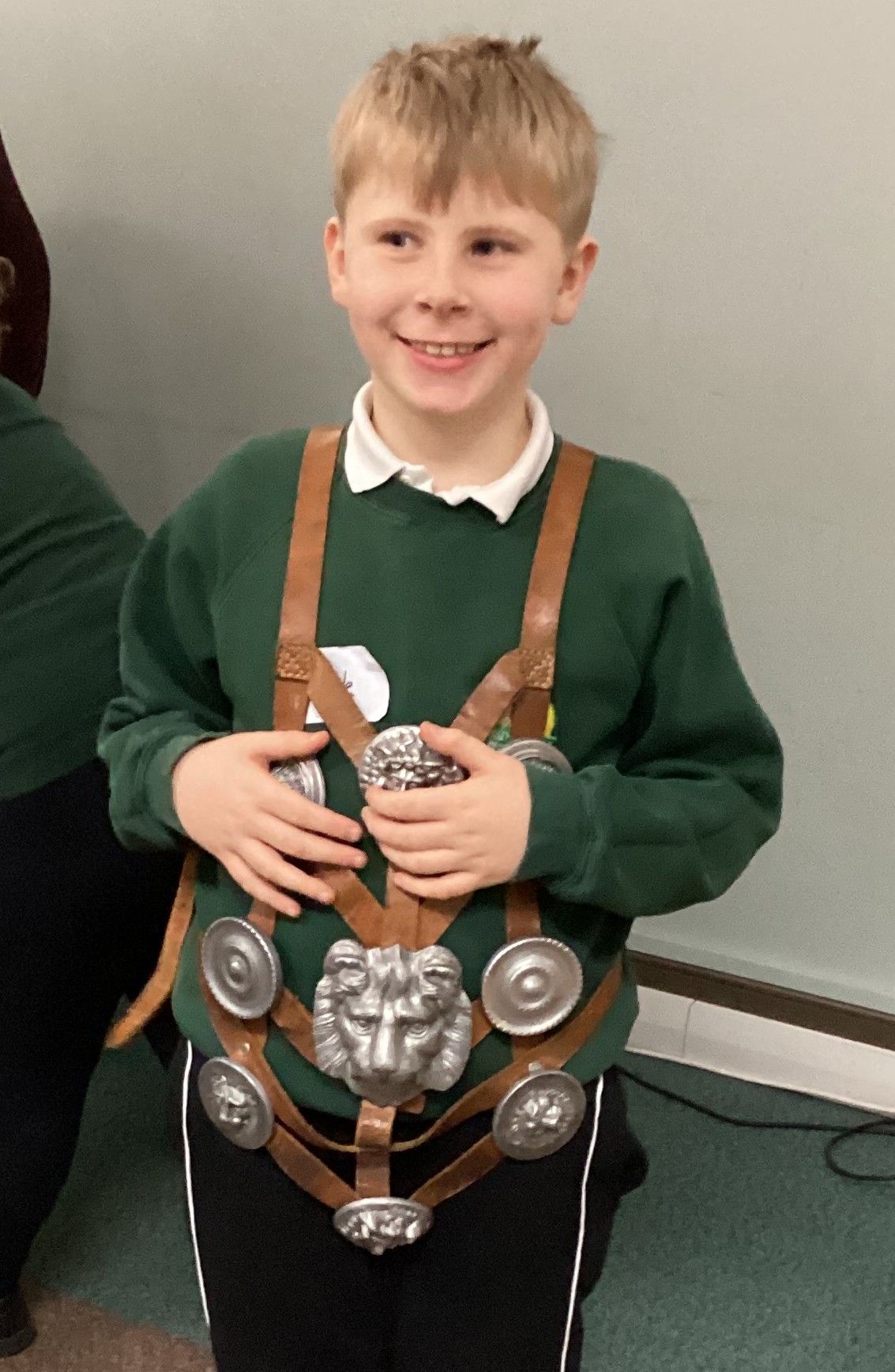
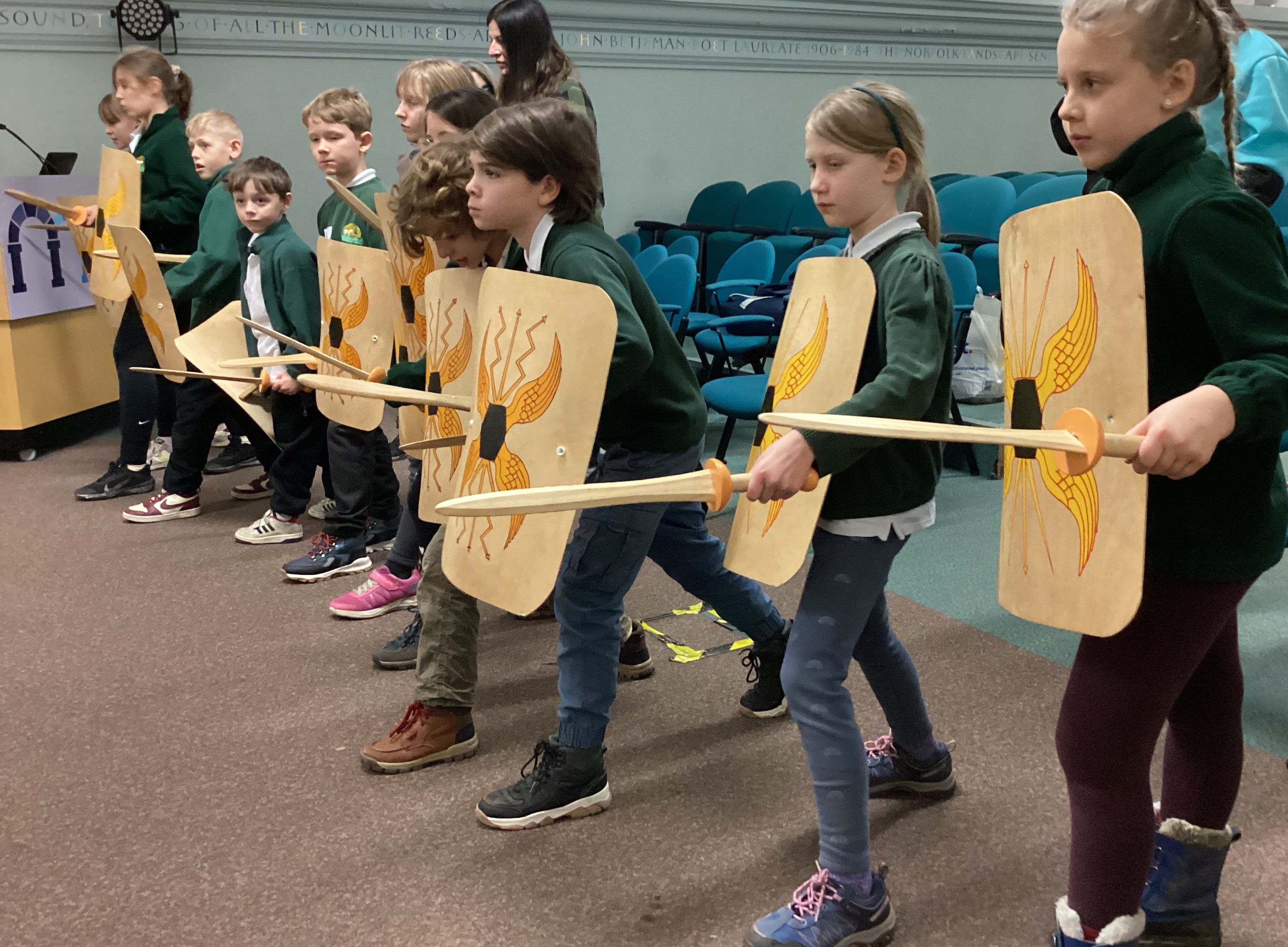
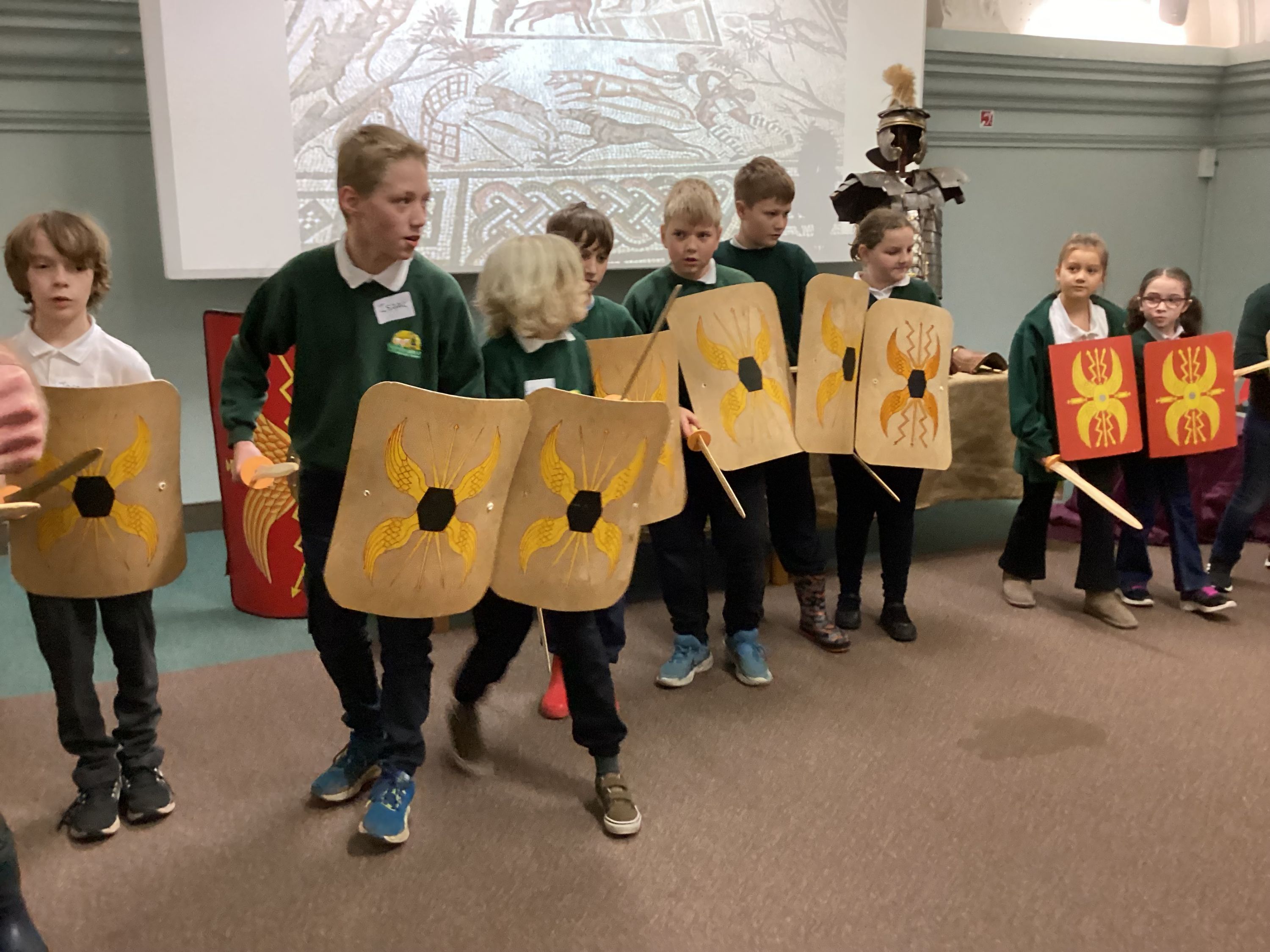
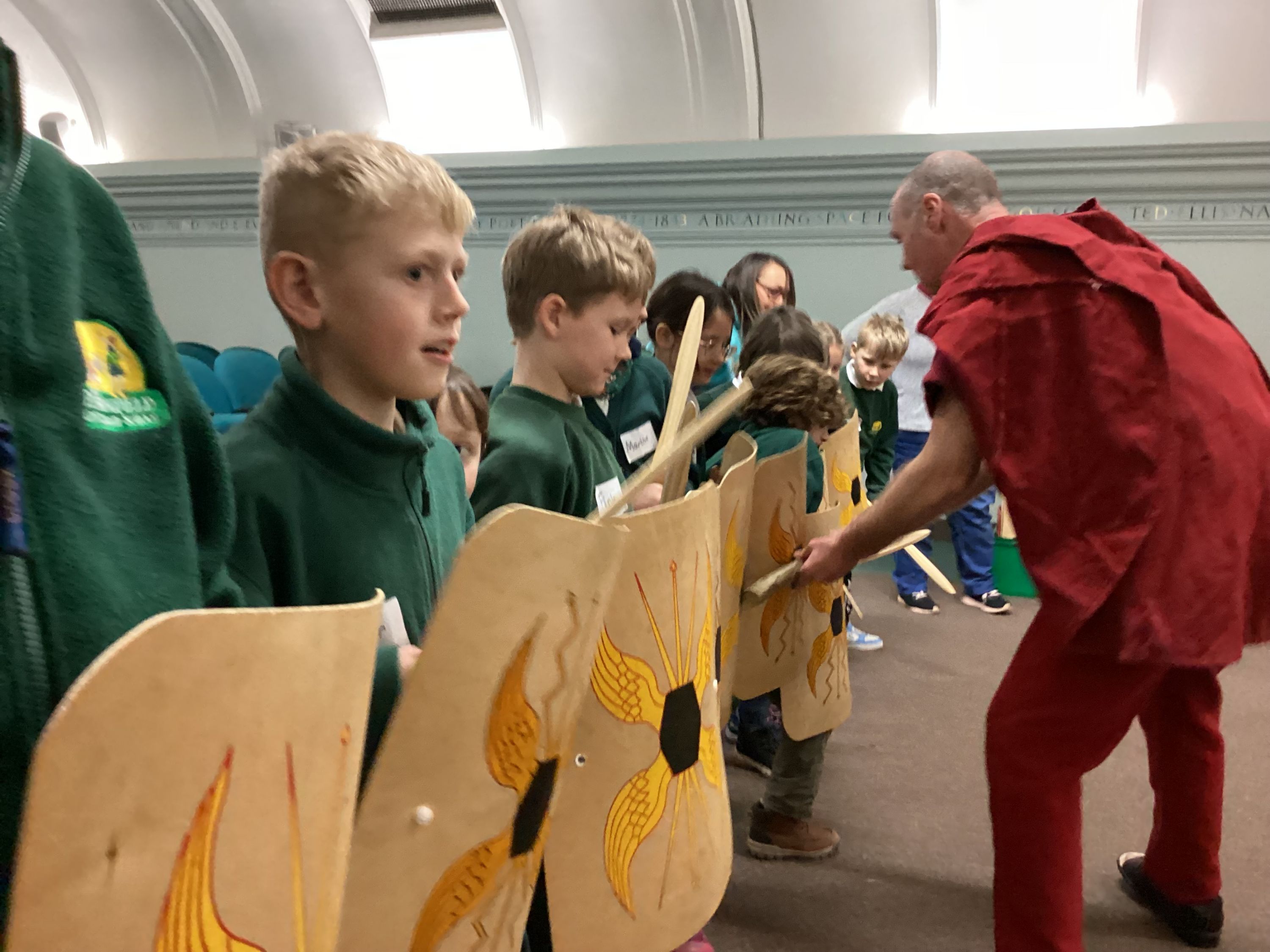
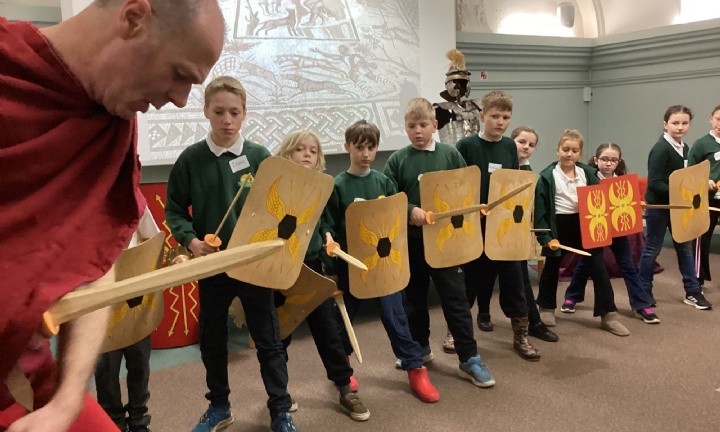
The morning was spent at Norwich Castle, where the children took part in a series of four engaging workshops that brought Roman Britain vividly to life. Our first workshop was led by a Roman centurion named Marcus, who introduced us to life as a Roman soldier. He shared examples of Roman weapons, armour and small personal items, carefully comparing them with those used by the Iceni. The children learned how the Iceni fought, lining up in two groups to practise their battle cries, before exploring the contrasting Roman approach to warfare. Marcus demonstrated how Roman soldiers were highly trained, fought in organised ranks, formed a shield wall and used controlled stabbing movements, all working together as a unit.
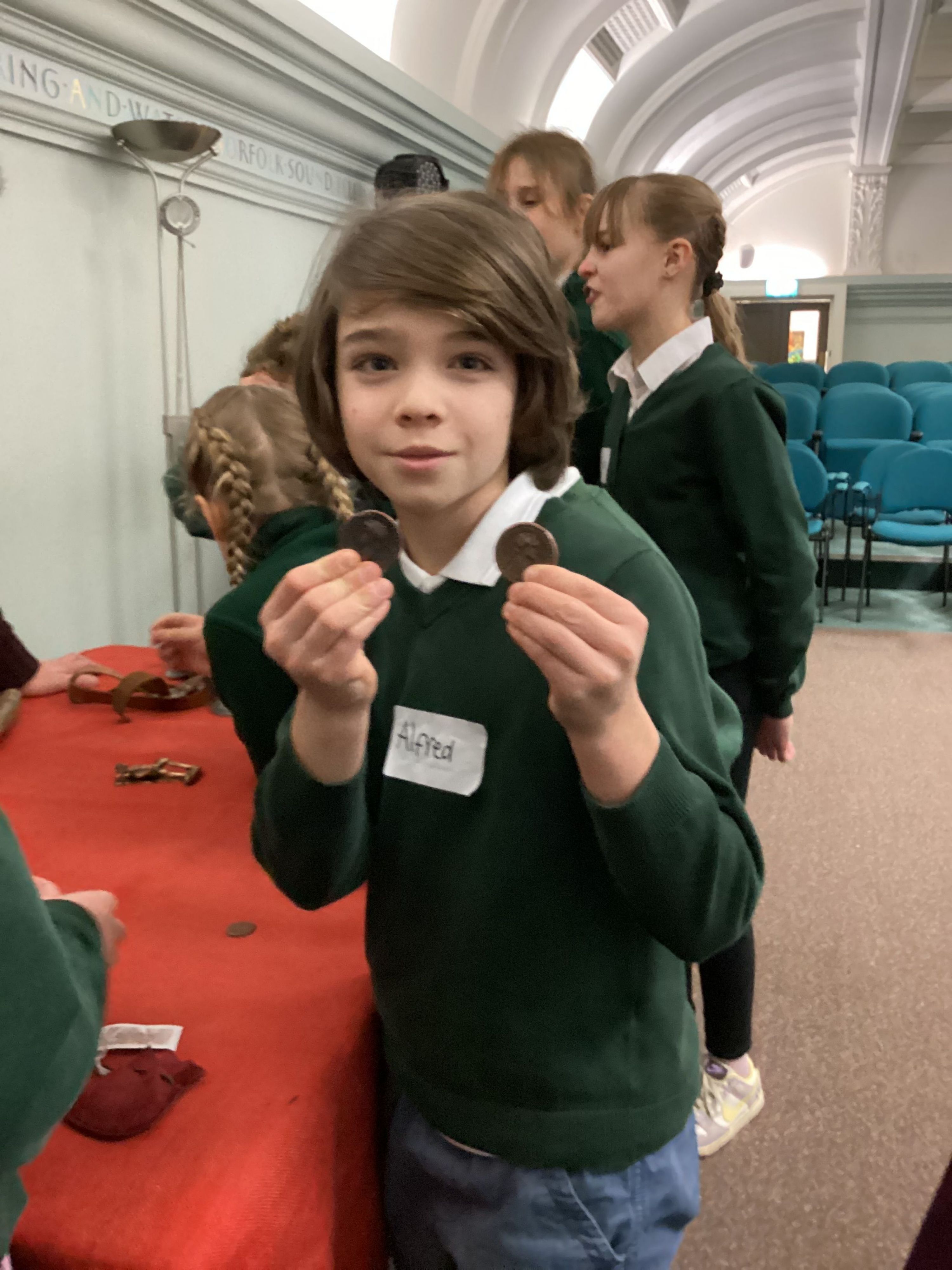
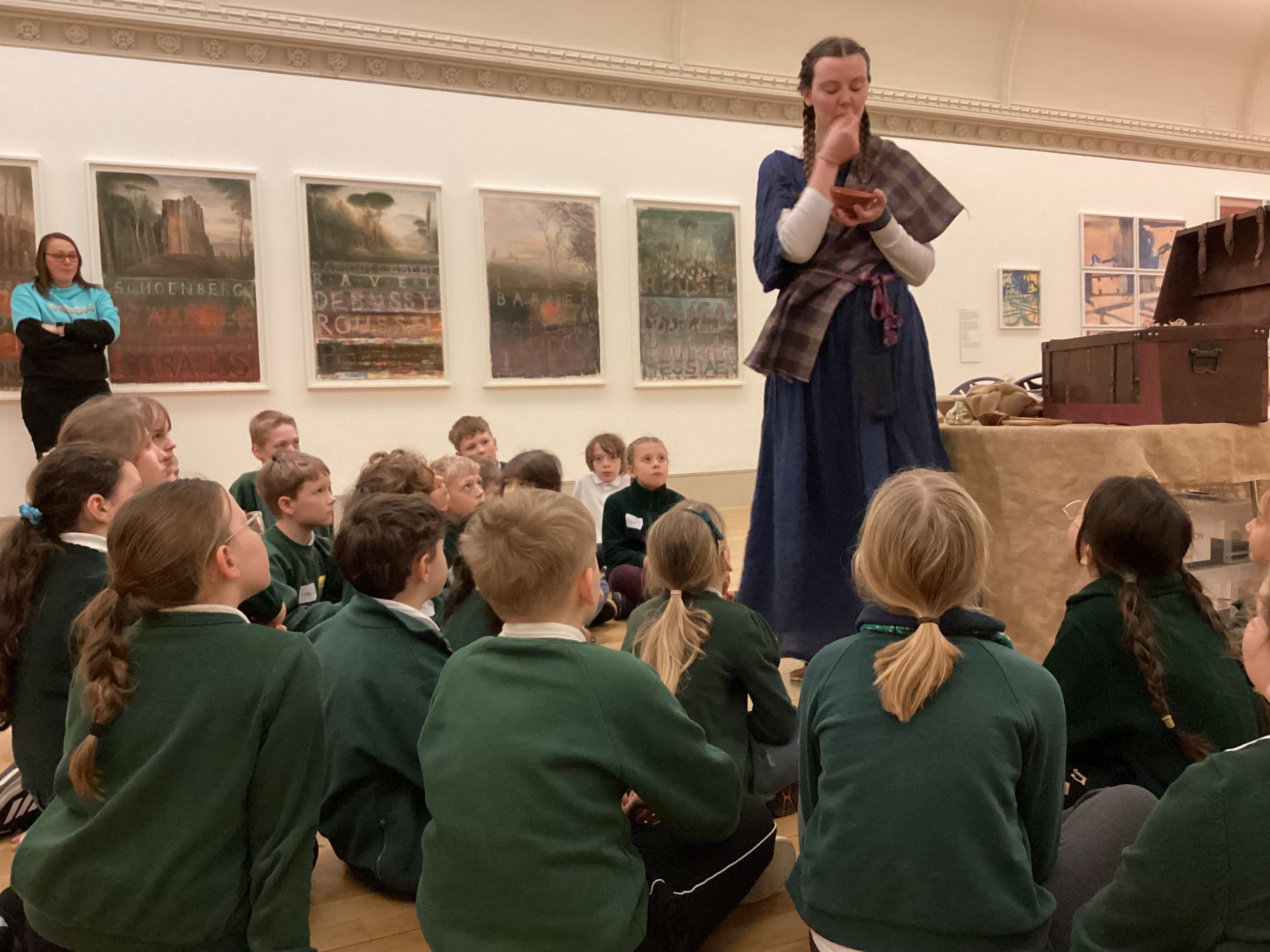
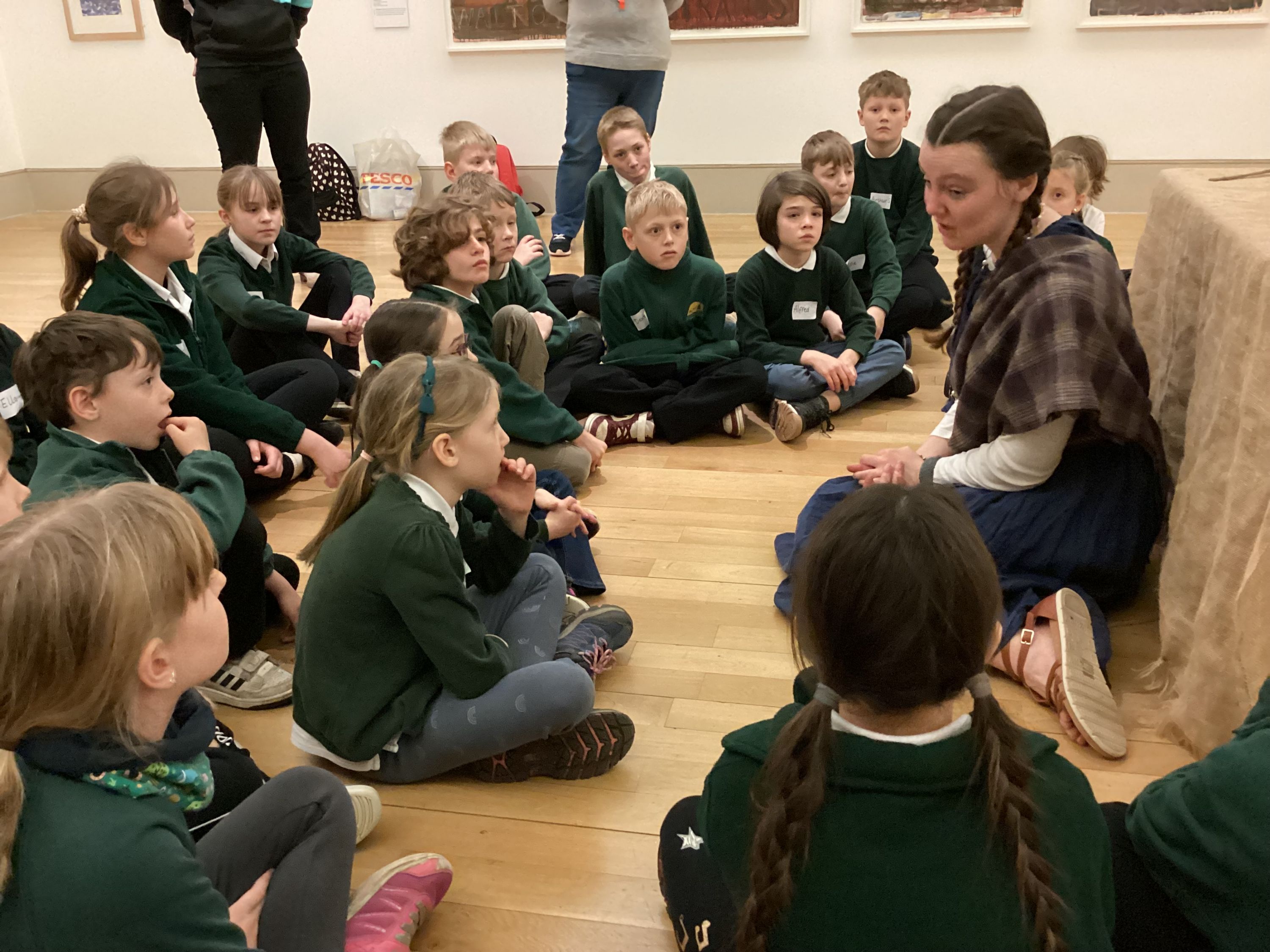
The second workshop was led by an Iceni woman, who compared Iceni and Roman homes. The children examined a range of artefacts, including Roman tiles, tesserae, samian ware and oil lamps, and discussed what these objects tell us about daily life, technology and comfort in Roman Britain.
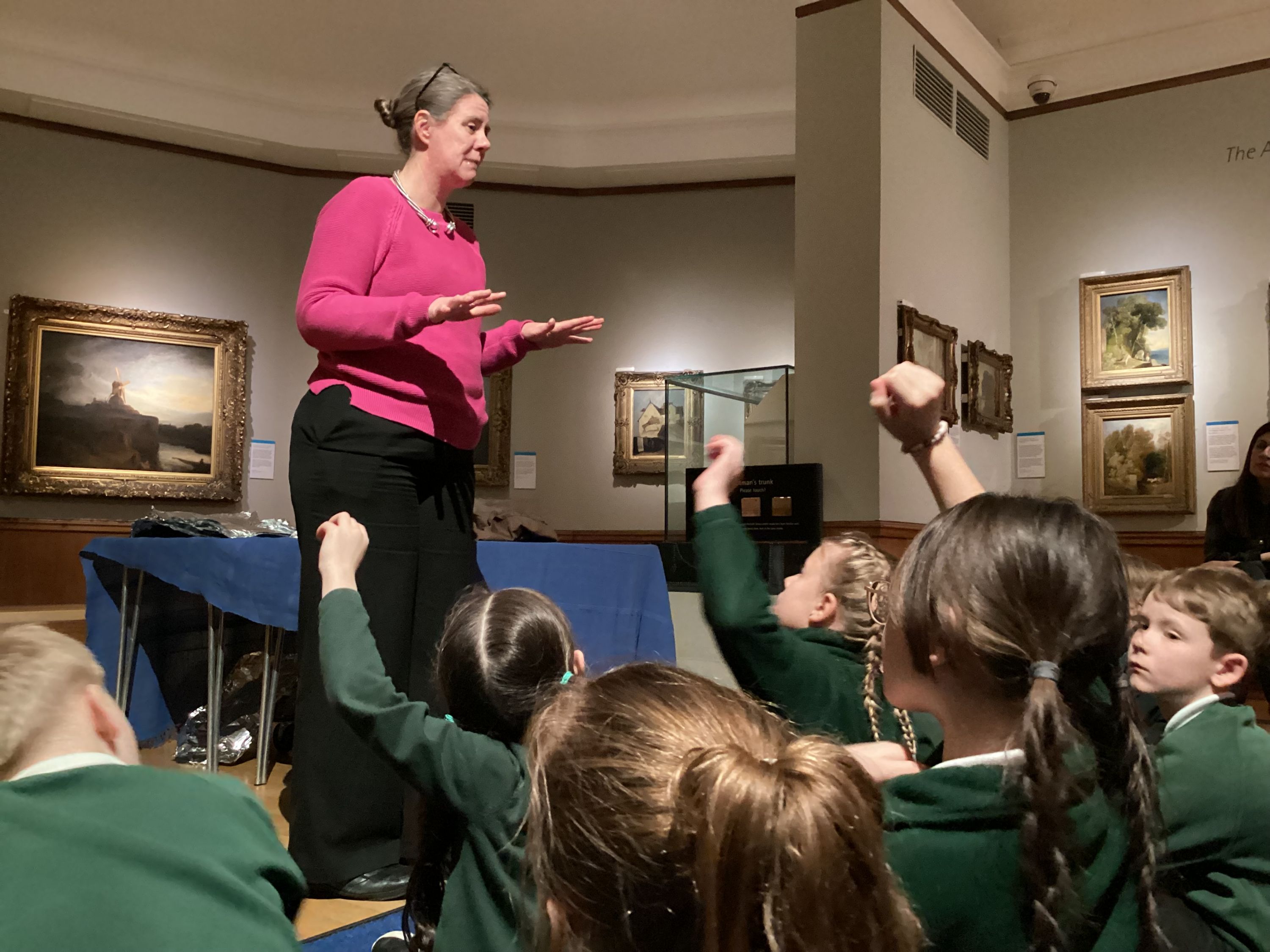
In the afternoon, the children explored the museum’s collections, deepening their understanding of Roman artefacts, before taking part in a practical activity where they made their own torcs.
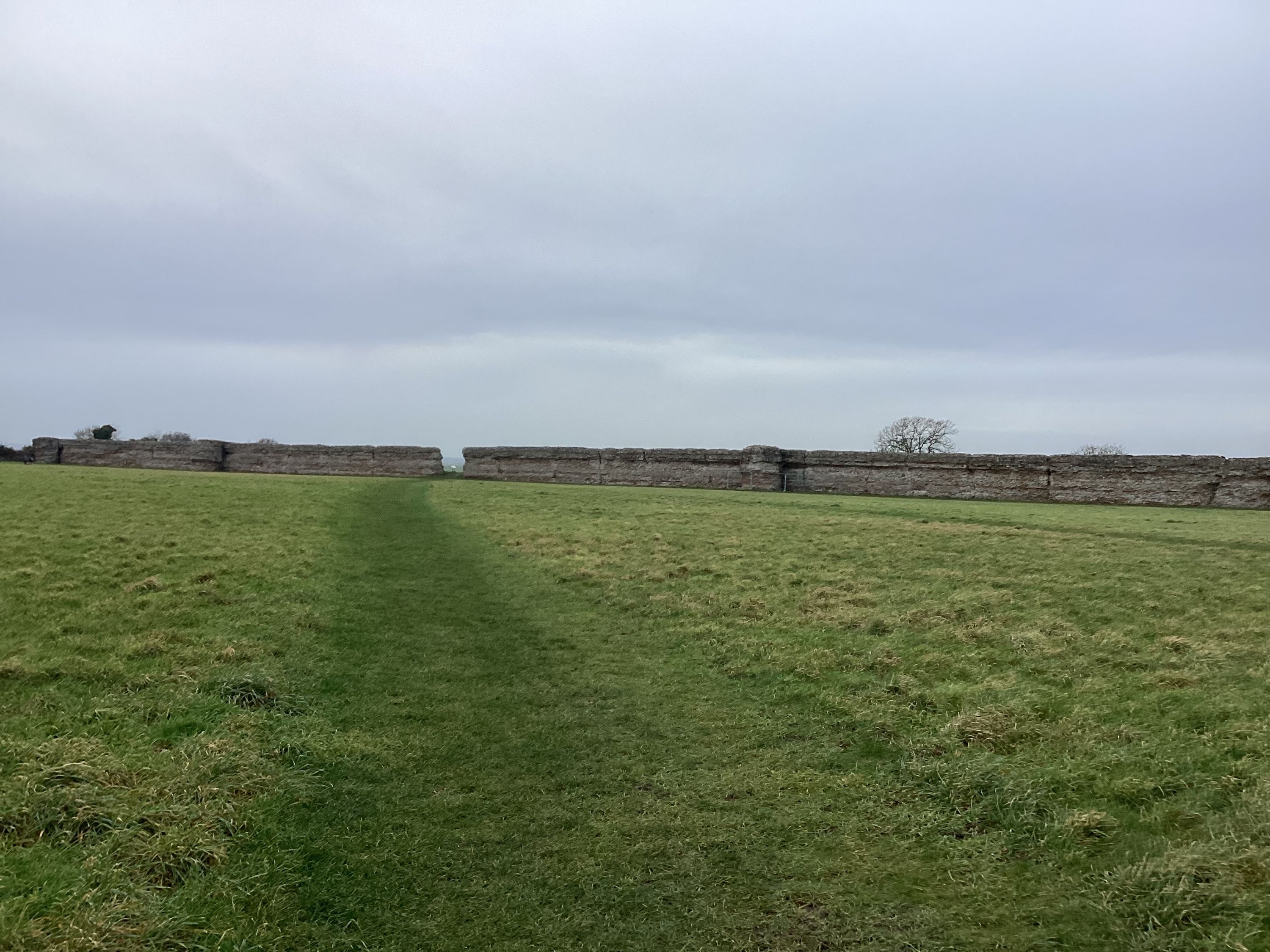
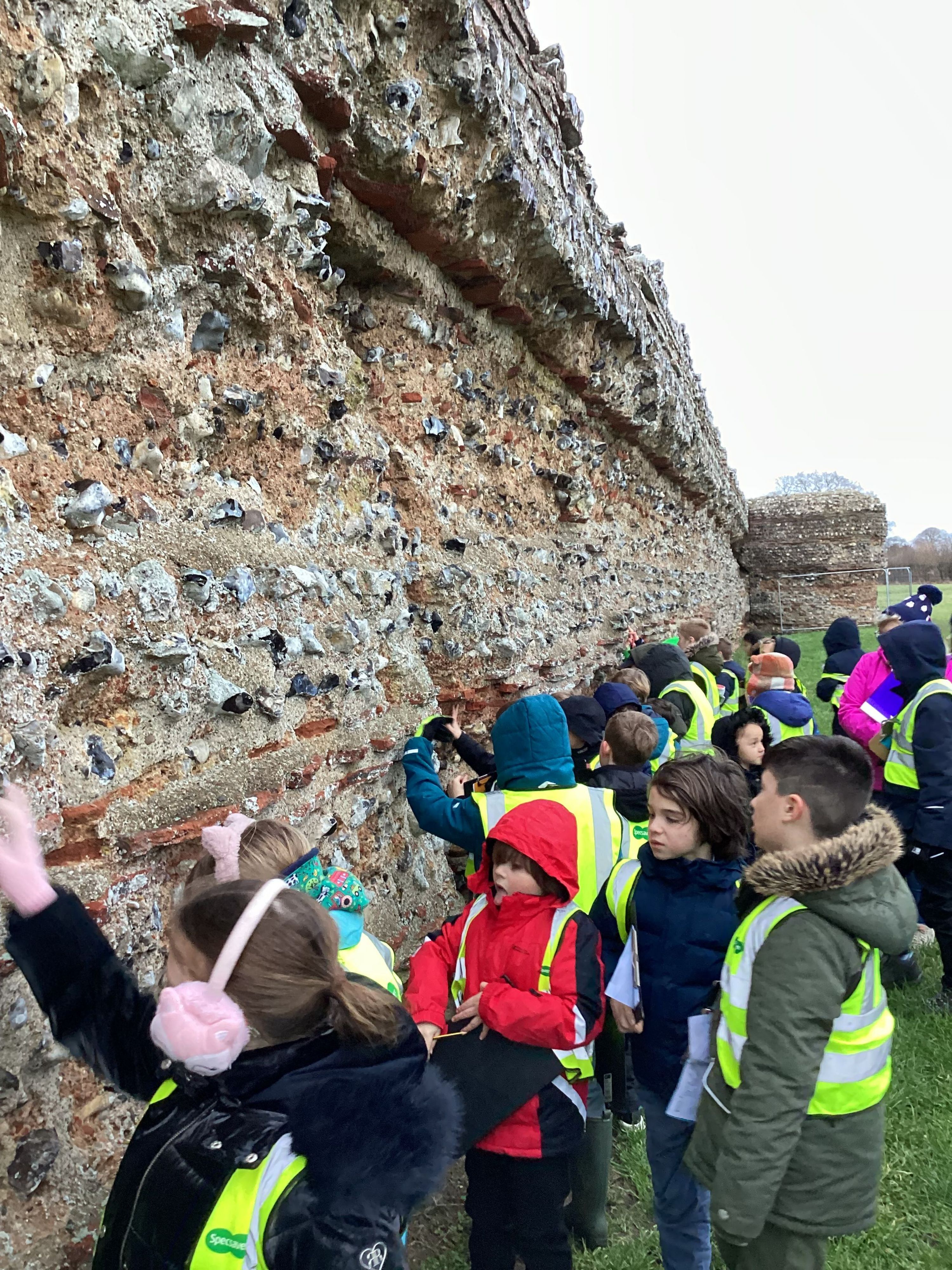
Later in the day, we travelled to Burgh Castle, where we were met by a representative from the Norfolk Archaeological Trust. The children learned about the history of the site and what life would have been like for soldiers serving at the fort. Standing within the remains of the castle helped the children to imagine Roman life on the edge of the empire and to connect their classroom learning to a real historical location.
The children thoroughly enjoyed the day and learned a great deal about Roman and Iceni life through hands-on activities, expert storytelling and immersive experiences. We are grateful to FOFSA for supporting the trip: it was a valuable and enriching visit that brought our Roman topic to life.