WILDER CHURCH - BUG HOTEL OPEN FOR BUSINESS
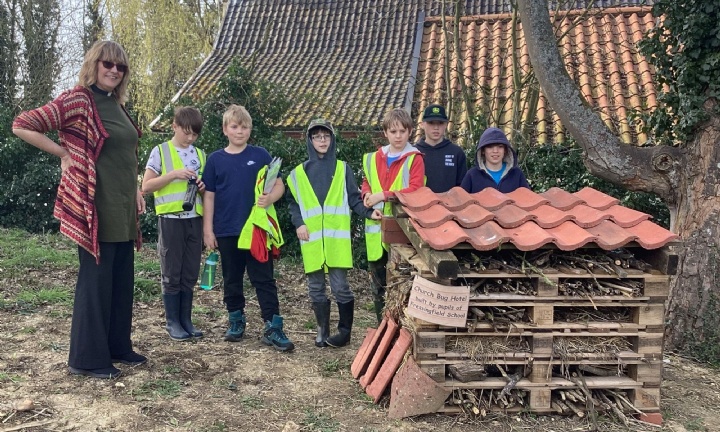
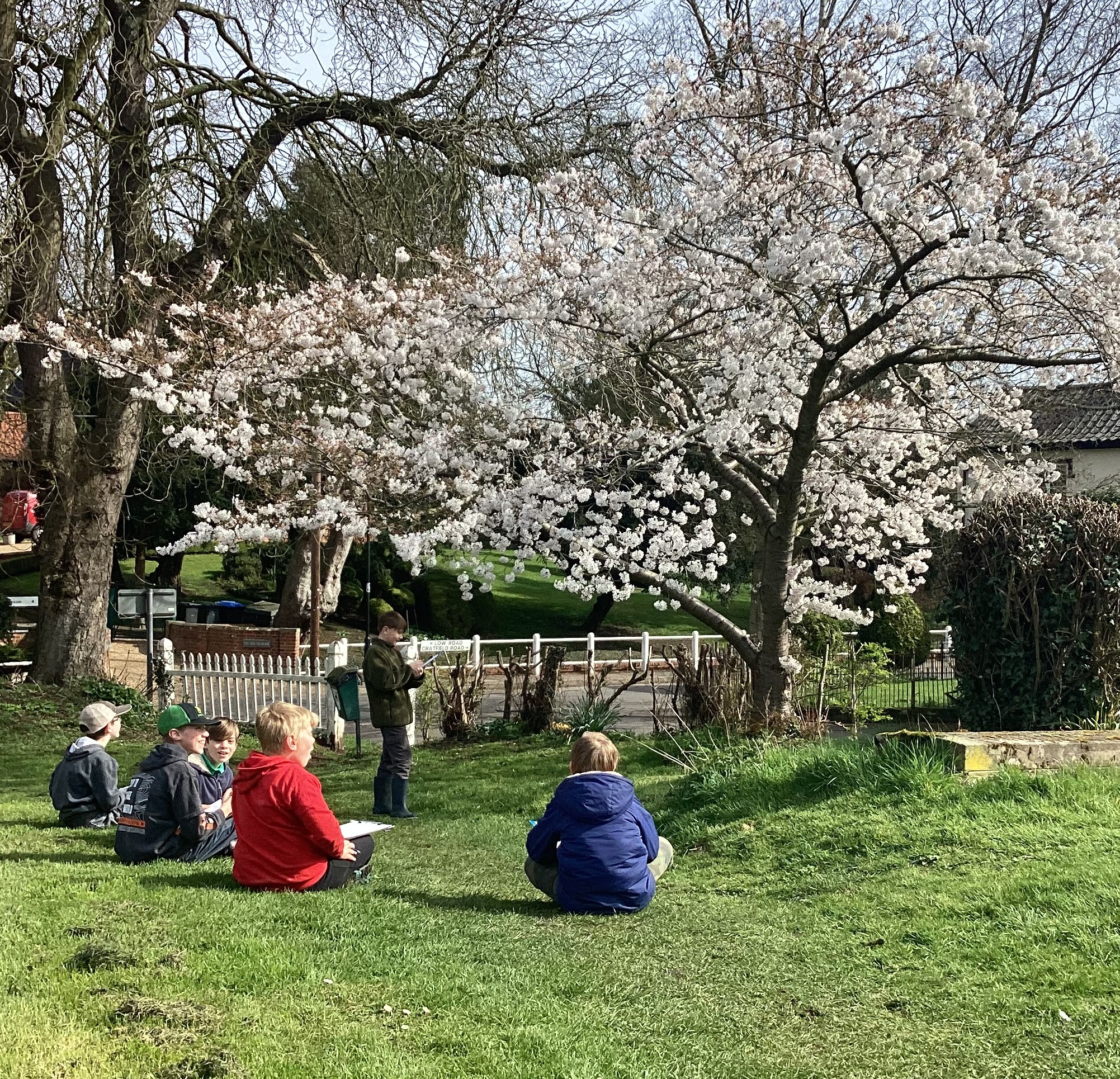
The children of Amazon Class had a great day on Friday when they took part in Day 2 of the Wilder Schools project. The project, which is run in conjunction with the Suffolk Wildlife Trust, aims to improve the churchyard for nature. The specific focus of Friday’s session was to build bird boxes, fix leaks in the roof of the Bug Hotel, and conduct quadrat surveys in order to count the numbers of specific species growing in the churchyard.
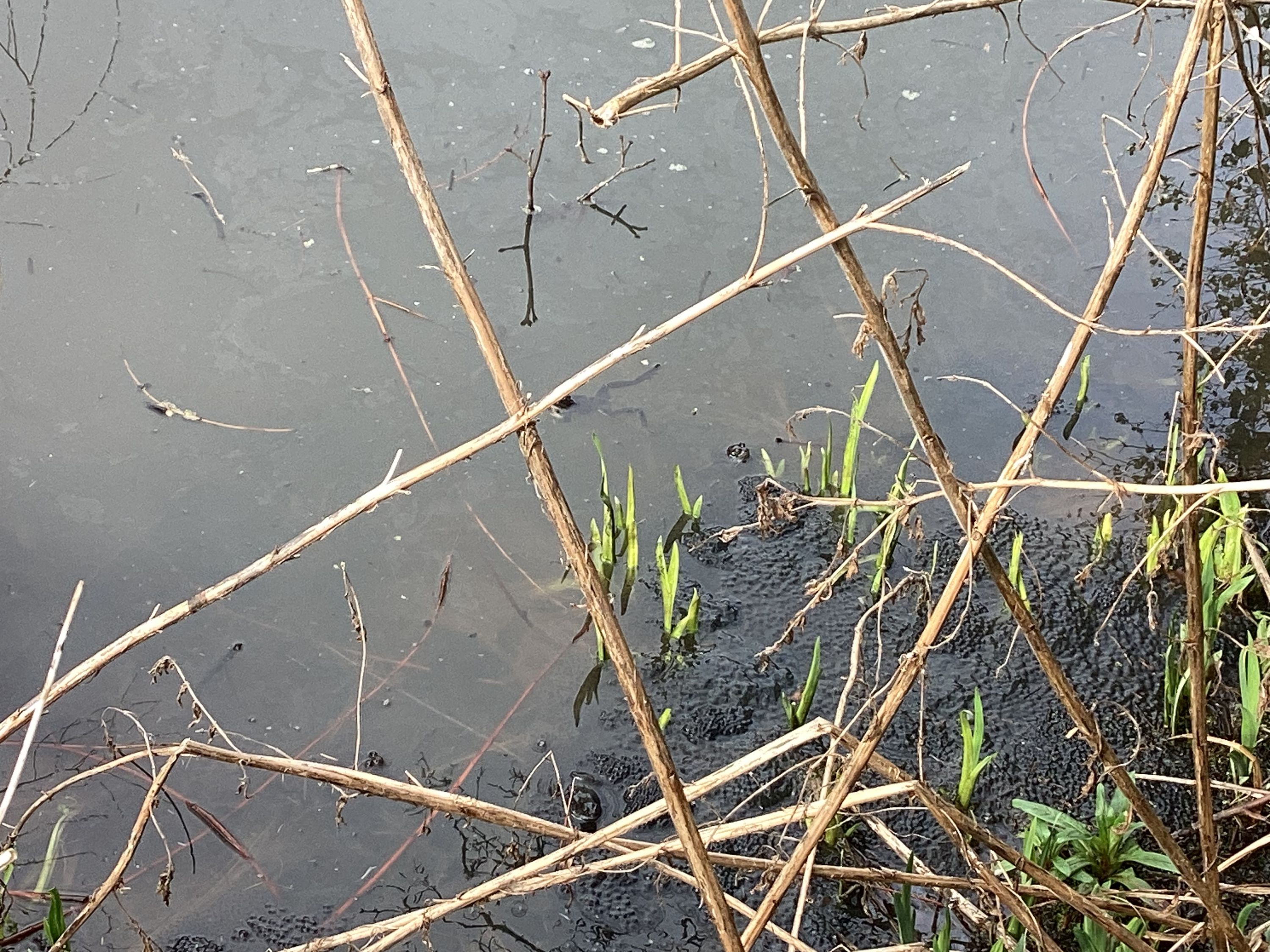
The day started with the exciting discovery of an enormous mass of frogspawn in the pond by the Fox and Goose. The spawn—more than I have ever seen in one place—was being guarded by a knot of frogs. They gazed back at us as we gazed at them, and Lauren Mack, from the Wildlife Trust, was on hand to answer all our questions about lifespans, behaviours, and breeding habits. Later, when we returned, we were treated to a frog chorus—a special moment.
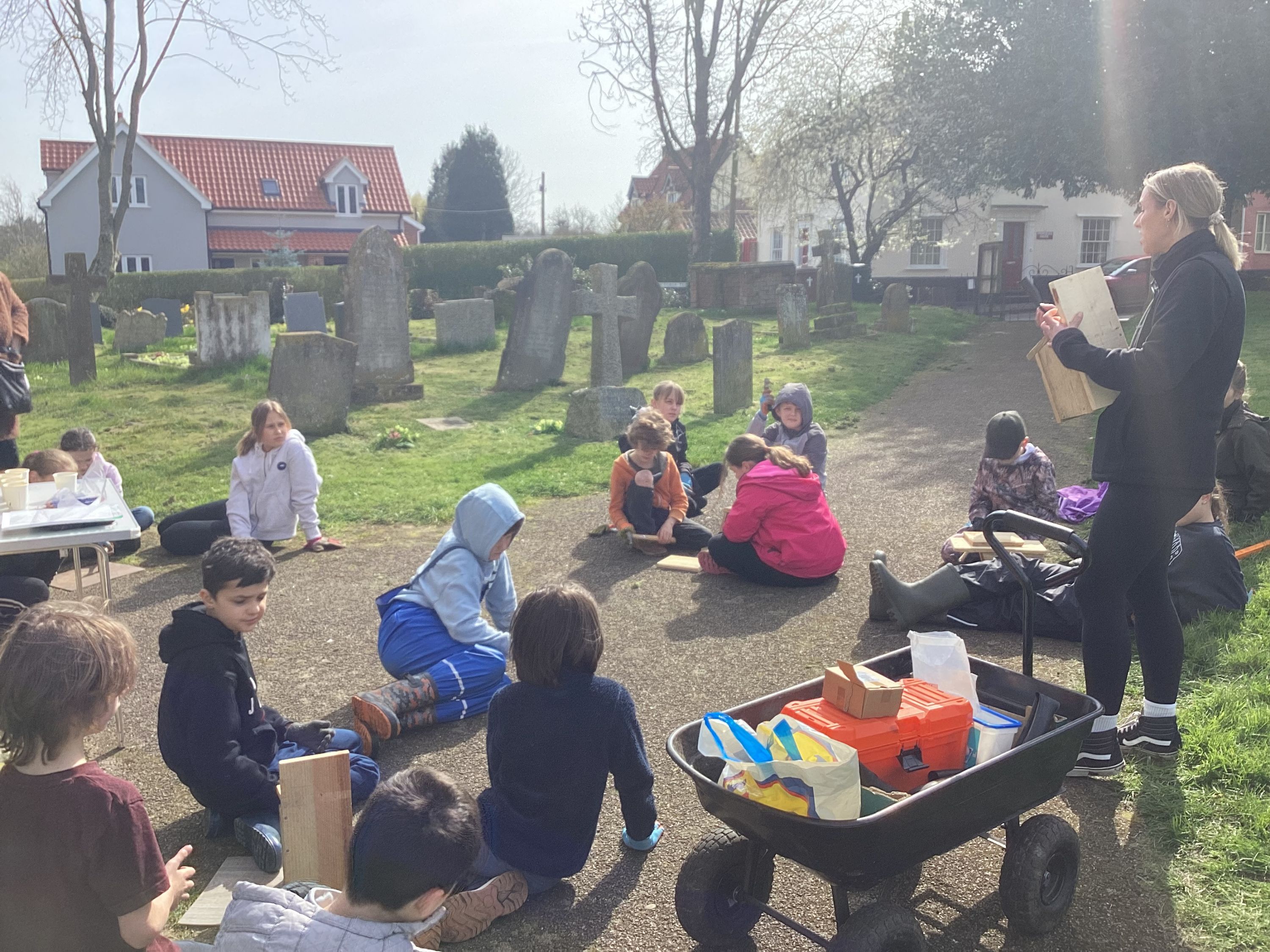
The class were split into two groups for the morning tasks. The larger group worked in teams of four to build bird boxes that will be put up around the churchyard to encourage birds to nest. Perseverance was required to measure and hammer the boxes into shape, and to attach lids with rubber seals.
Meanwhile, the engineering group took charge of fixing the Bug Hotel. The tiles, which had been poorly laid before and were letting water seep into the structure, were removed. A new timber frame was measured and cut to size, battens were hammered into place, and the tiles were replaced. The result is fantastic—a luxury hotel for bugs and minibeasts of all kinds looking for a space to lay over or take up longer-term residence. Well done, engineers.
Later, the engineering group surveyed the site and established how many square metres it covers. This was vitally important for the afternoon’s activity, which was to count the number of plant species in the whole churchyard. This was done using quadrats: the children counted the number of each species in ten quadrats, worked out the mean average, and multiplied this by the total square metreage of the churchyard. The information gathered will be used to see whether the grounds are becoming more biodiverse over time.
We would like to say thank you to Lauren Mack at the Suffolk Wildlife Trust, and to Virginia Skoyles at St Peter and St Paul Church for enabling this project. We’re looking forward to Day 3 in the summer!